
Law Enforcement to Target Commercial Vehicles During CVSA’s Operation Safe Drivers Week
July 10, 2025
FMCSA Updates from 2025 Carriers and Brokers Need to Know
October 16, 2025Digital Theft Is Rising. Are You Covered?
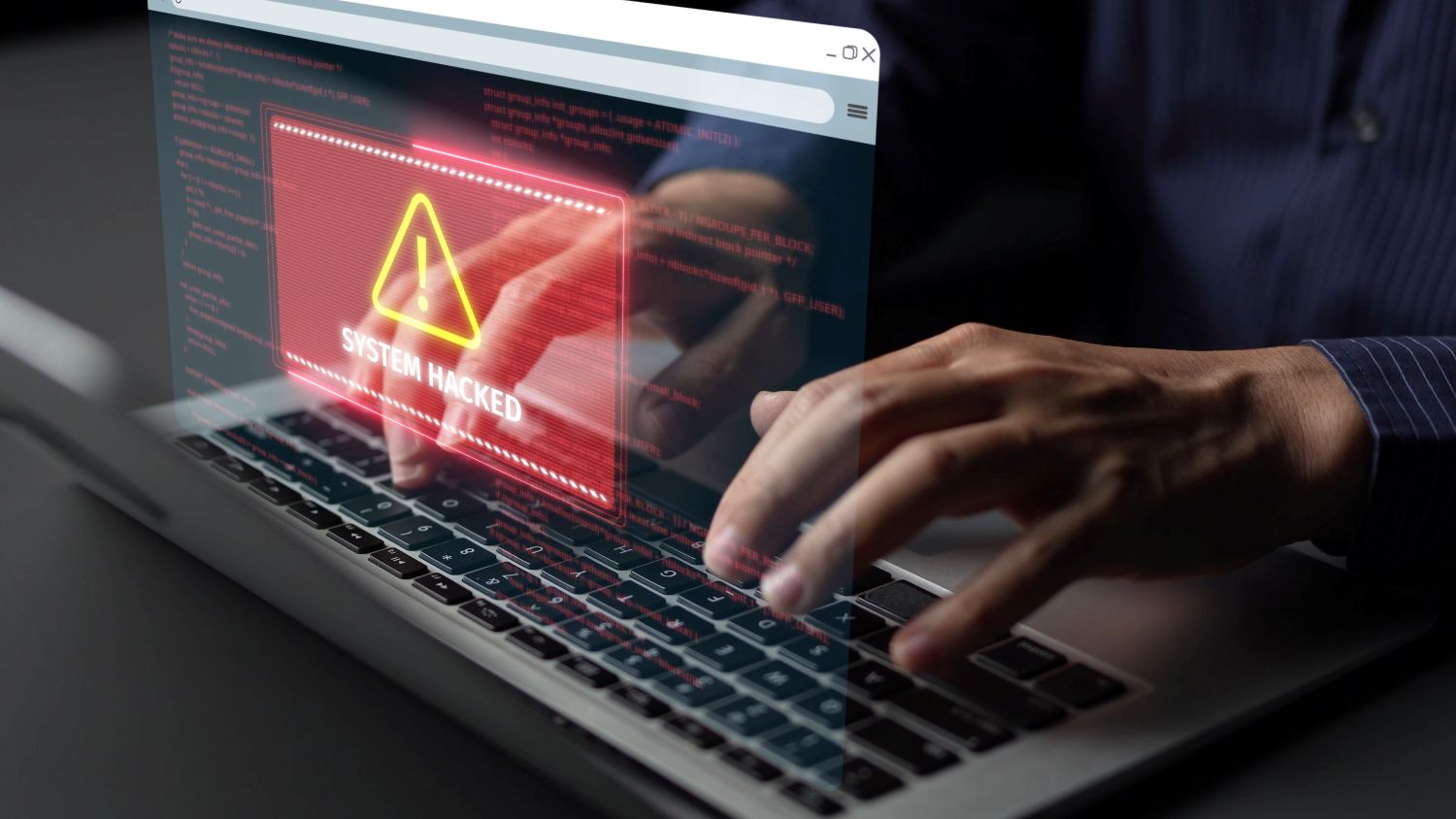
In 2023, reported cargo theft in the U.S. topped $1 billion for the first time. According to NICB and CargoNet, incidents rose 27% from the year before, and things aren’t slowing down. Losses are expected to jump another 22% by the end of 2025. Criminals are getting smarter, using fake carrier identities, spoofed emails, and hacked dispatch systems to steal freight remotely. Cybercrime can be a major setback for businesses without cyber liability insurance.
If you’re a freight broker or forwarder, you’re already juggling tight margins, complex compliance, and demanding shippers.
But here’s the kicker: most brokers still don’t have protection against today’s biggest risk, cybercrime.
Freight Crime Has Gone Digital
Cybercriminals are targeting freight and logistics more than ever. IBM’s latest report showed the transportation industry ranked as the fifth most attacked sector in 2024, up from eighth the year before. Why? Because brokers and carriers rely heavily on tech. Load boards, TMS software, and remote access tools create more openings for attackers.
Technology and risk go hand-in-hand in modern freight. The more digital your operation becomes, the more essential it is to have cyber protection that keeps up.
Common Examples of Cybercrime in Transportation
Spoofed onboarding portals, fake carrier setups, and phishing emails aren’t fringe threats anymore. They’re part of a growing playbook that lets bad actors reroute or steal freight without leaving a trace. And because everything happens online, many brokers don’t even know it’s happening until the freight is gone.
FMCSA Surety Bonds Are Not Cyber Insurance
The BMC-84 surety bond and BMC-85 trust fund provide coverage for unpaid motor carriers, but does not replace freight broker insurance to protect your business. If cargo is delayed or intercepted because of ransomware, phishing attacks, or other cyber attacks, a BMC-84/85 will not aid in recovering losses. It offers no protection against ransomware, phishing attacks, legal expenses, or breach response..
Cyber liability insurance is a different tool, and one more brokers need to have in place.
What is Cyber Liability Insurance?
At its core, cyber coverage protects your business from digital threats.
It can cover breach investigations, customer notifications, legal fees, ransomware response, and even income lost during a cyberattack-related outage. For freight brokers, it’s quickly becoming one of the most important forms of protection you can carry.
Finding the Right Cybersecurity Liability Coverage
Cyber insurance isn’t a luxury. It’s smart risk management. And the earlier you get protected, the better prepared you’ll be when something goes sideways.
If you’re unsure where to start, our team at PFA Transportation Insurance & Surety Services can help. We walk you through the options. We work with providers who understand freight and know how to build policies around how you actually operate. Contact us to learn more.
What Cyber Liability Insurance Typically Covers
Not all policies are built the same. A strong cyber liability insurance policy for freight brokers should include these key protections:
- Data Breach Response
Data Breach Response includes coverage for breach investigations, notifications to affected parties, credit monitoring services, and any regulatory compliance you may be required to meet. This can be critical for brokers who manage sensitive carrier or shipper data.
- Business Interruption Coverage
Business Interruption Coverage helps replace income lost during a cyberattack that halts your operations. Whether it’s ransomware or a system outage, downtime can cost brokers thousands. Cyber insurance can help recoup that loss.
- Cyber Extortion Coverage (Ransomware)
Cyber Extortion Coverage protects from costs associated with ransomware and similar attacks. These common cybercrimes involve a situation where a hacker demands payment to release or restore access to your systems. If it’s legally permissible, coverage can also include costs related to negotiating and responding to the threat.
- Third-Party Liability Coverage
Third-Party Liability Coverage helps protect businesses from financial consequences of a data breach. If a cyber event on your end results in compromised data or communications that affect your carriers, shippers, or other partners, this coverage helps protect your business from legal action and associated costs.
- Network Security & Privacy Liability
Network Security and Privacy Liability helps cover damages from unauthorized access, malware attacks, and accidental data leaks. It ensures your business is protected even when the breach isn’t your fault.
It’s important to understand that even the best cyber policies may not automatically include protections for financial scams or impersonation. That’s why PFA also offers supplemental crime and social engineering coverage.
Why Crime & Social Engineering Coverage Matters
Some of the most common and costly cyber incidents in freight involve trickery, not hacking. Impersonation, social engineering, and fraudulent wire transfers are growing threats.
Social Engineering Fraud
This coverage applies when someone in your office is tricked into sending money or sensitive information to a fraudster who appears to be a client, carrier, or internal team member. These scams are increasingly common and highly effective.
Funds Transfer Fraud
Funds Transfer Fraud provides reimbursement for money lost through unauthorized or fraudulent wire transfers. This is especially important in cases where payment instructions are altered via a compromised email account.
Employee Theft & Forgery
Employee Theft and Forgery protection can protect against internal threats, such as an employee stealing funds or forging documents. While this coverage is often more limited and tailored, it’s something to consider on a case-by-case basis.
Together, these coverages create a fuller safety net that addresses both digital and human vulnerabilities.
Why Cyber Protection Matters to Your Freight Business
Freight brokers are uniquely vulnerable to cyber risks due to the fast-paced, high-volume nature of their work. You’re constantly coordinating shipments, exchanging sensitive data, and relying on online tools that make you a prime target.
A well-structured cyber policy can keep your business secure and resilient, whether it’s a data breach, a ransomware demand, or a cleverly disguised email scam. Having that protection in place gives you peace of mind and positions your brokerage as a trustworthy partner to shippers.
The Risks Are Growing. So Should Your Coverage.
The rise in digital theft and cybercrime is real, and it’s hitting freight hard. Brokers are uniquely exposed because of how much they rely on third-party platforms and remote systems. Without cyber coverage, one breach could set your business back months or worse.
Don’t Assume You’re Covered, Know for Sure
The rise in digital theft and cybercrime is real, and it’s hitting freight hard. Brokers are uniquely exposed because of how much they rely on third-party platforms and remote systems. Without cyber coverage, one breach could set your business back months or worse.
Contact Us to Get Started →
Want help figuring out what coverage fits your brokerage? Contact our team today. We can help you build a cyber insurance plan that fits your operation and gives you a real edge in today’s freight market.